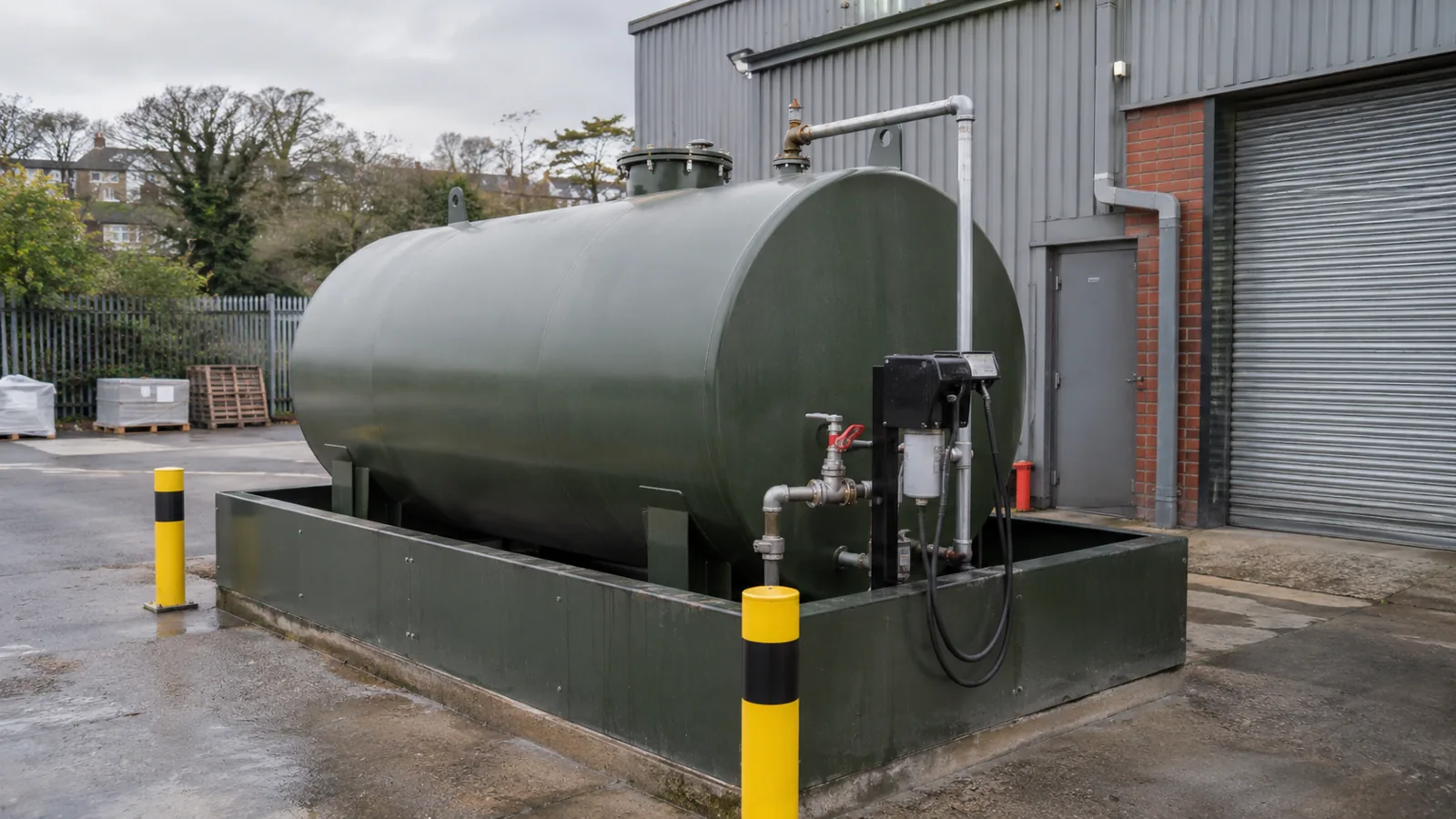
Fuel tank services
in Bristol.
Commercial fuel equipment. Difficult access. A considered next step.
Redundant storage, contaminated fuel and ageing generator equipment each need a different plan. Start with the equipment, what remains inside and the route through your premises.
Tell Us About Your SiteSix Services.
One Clear Starting Point.
Choose the guide closest to your project. If the work spans several services, describe the whole system in your enquiry.
Fuel Tank Removal
Remove redundant tanks from yards, plant rooms and constrained buildings. Compare a whole lift with controlled dismantling, and define what the cleared space should include.
Read The Guide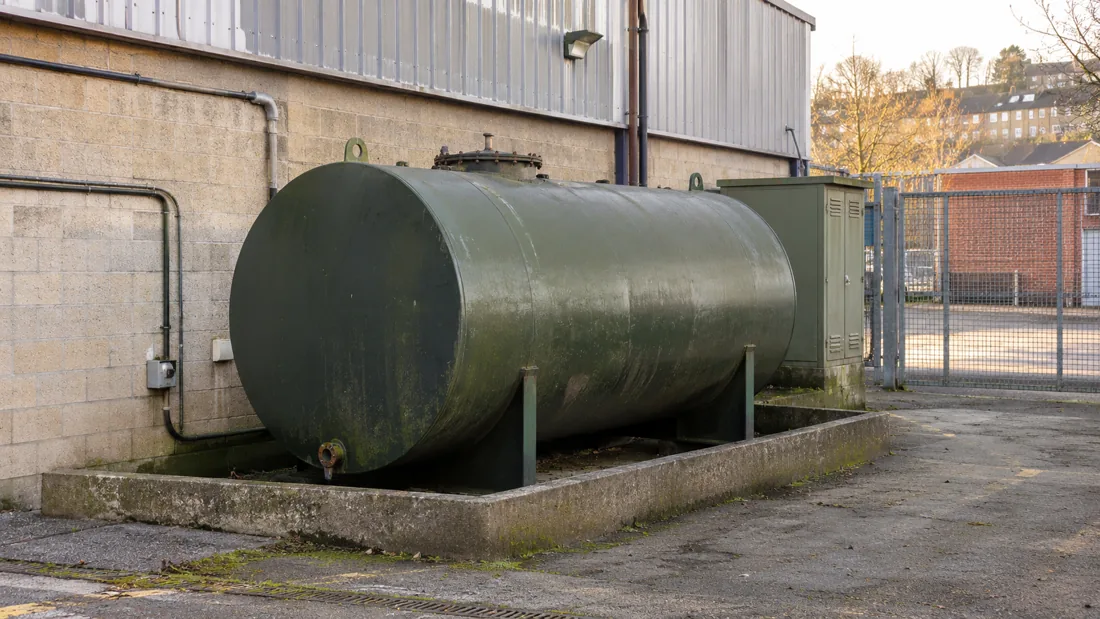 02
Tank Cleaning
Deal with water, sediment and deposits inside the vessel. Understand the difference between surface cleaning and treating the fuel, with a shutdown and recovery plan.
Read The Guide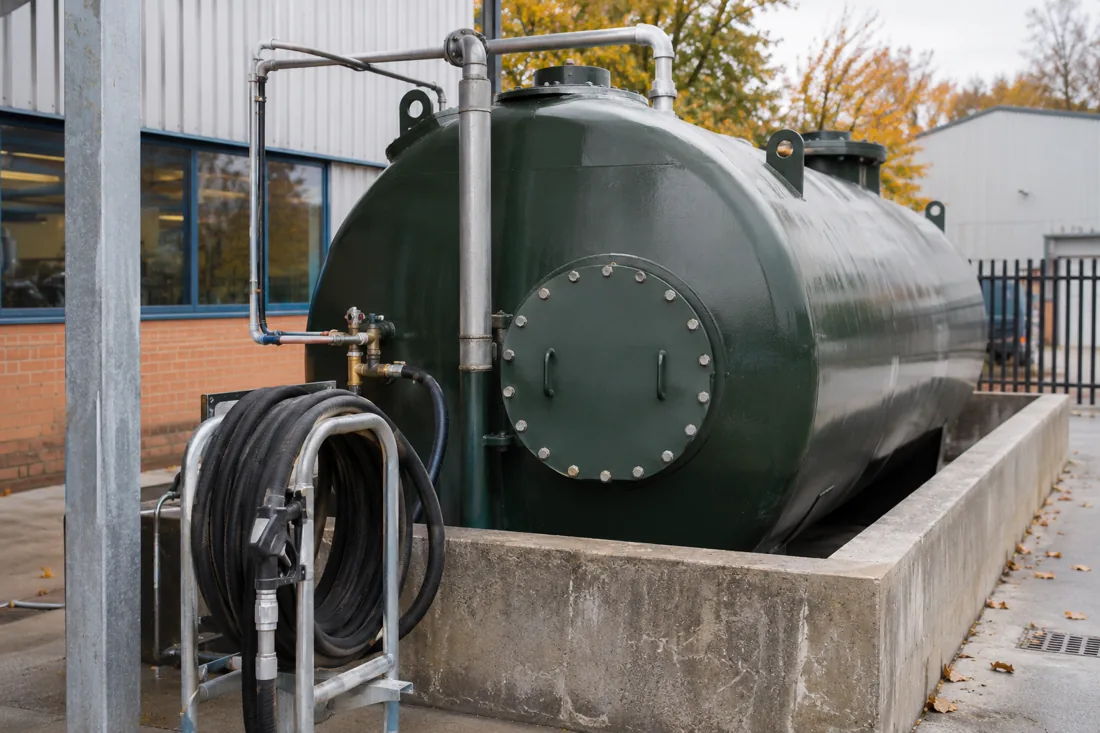 03
Tank Decommissioning
Bring a storage system out of use through an agreed method. Decide whether the tank leaves or remains, and keep a useful record for the property.
Read The Guide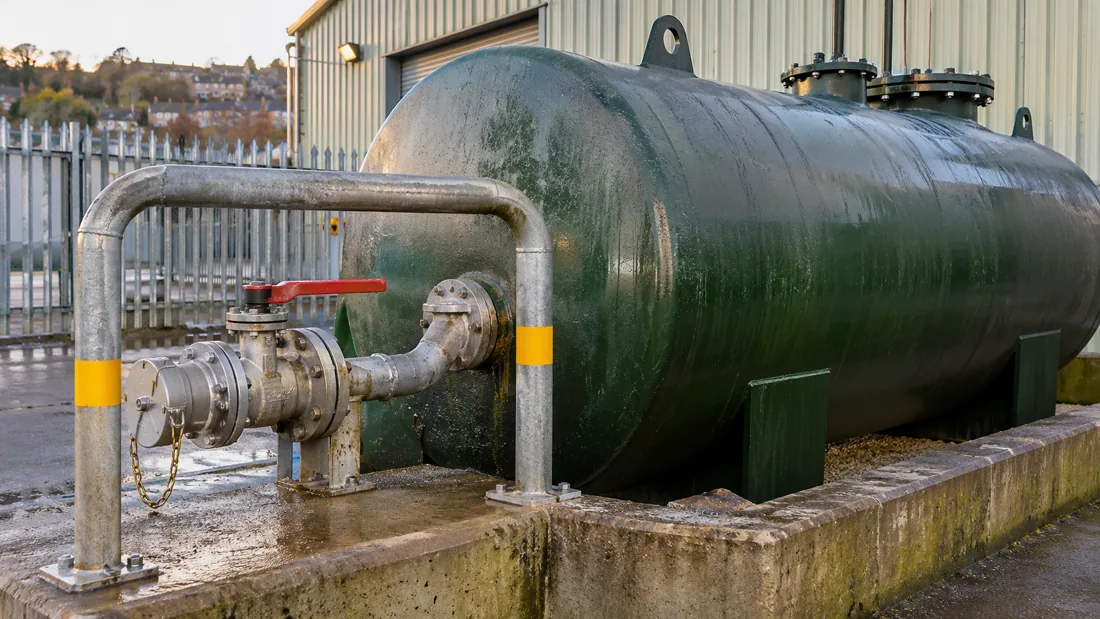 04
Generator Removal
Coordinate equipment release, fuel handling and the route out. Define electrical interfaces, ancillary items and the final condition of the generator footprint.
Read The Guide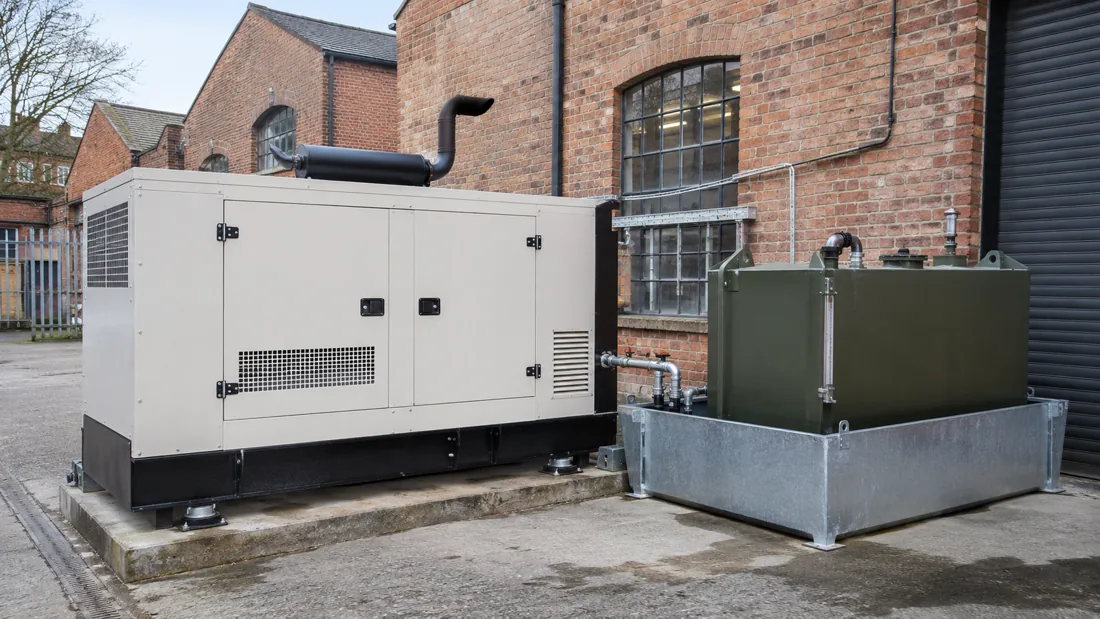 05
Tank Foam Filling
Assess whether retaining a prepared tank is suitable. Consider the future use of the land, access for preparation and the record of material placed.
Read The Guide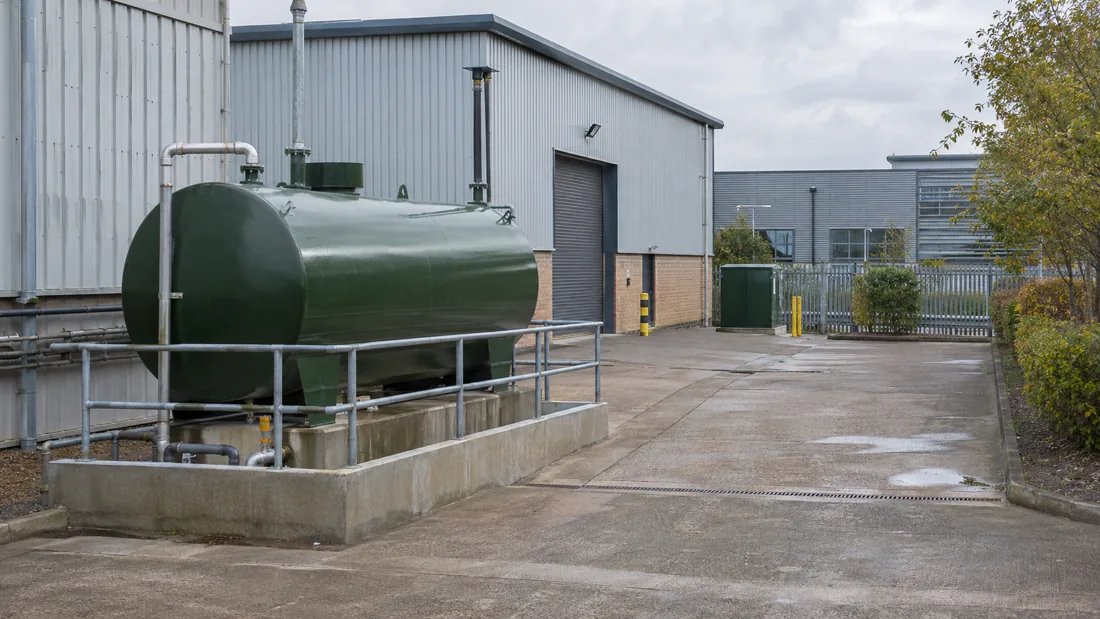 06
Fuel Polishing
Investigate stored fuel contamination before choosing treatment. Understand what filtration can remove, when cleaning is needed and when replacement is the better route.
Read The GuideIn Bristol, The Route Matters.
A tank can be easier to install than to remove. Buildings change, doors narrow and working yards fill with equipment. A photograph of the tank alone rarely tells the whole story.
Show the route to the collection or equipment position, including corners, overhead services, gates and any changes in level. Mention loading bays that must remain available and areas shared with pedestrians.
Across the city and the Avonmouth and Severnside area, occupied premises need fuel work coordinated with everyday operations. Give your site postcode, working hours and permit requirements so access can be considered alongside the technical work.
Explore Bristol Area CoverageFrom First Detail
To An Agreed Scope.
A better enquiry helps establish what needs investigating before a date or method is agreed.
Describe The Change
Tell us why the work is needed and what the tank or generator supports. Include any replacement programme, property handover or essential service that limits downtime.
Make The Unknowns Visible
Capacity, contents and access all affect the approach. Give an estimate of remaining fuel, explain known defects and mention the records or photographs you can provide.
Confirm The Boundaries
Agree the method, shutdown, waste route and completion records with the responding provider. State whether you need removal, retained equipment, a clean base or a wider clearance.
Keep Usable Fuel In The Conversation.
Remaining fuel is part of the work, rather than a detail to leave until arrival. Depending on condition, it may be recoverable into suitable storage, need treatment, or require disposal. Water and sludge should be assessed separately from product that may still be usable.
For standby generators, preserving the backup function can be as important as the tank work itself. Involve the person responsible for the connected plant when agreeing an interruption. A nominally redundant system may still have shared connections.
Ask for the records relevant to the job. Waste documents, treatment records and equipment handover information serve different purposes. A cleaning record does not establish structural condition, and a decommissioning record does not certify surrounding ground.
A Few Useful Answers
What Should We Send First?
For a fuel tank services enquiry, start with the site postcode, tank type, stored product and approximate fuel level. Describe the access route and what the tank supplies. You can explain the photographs and drawings you have, with a suitable way to share them agreed when your enquiry is answered.
Can Work Fit Around An Occupied Site?
Fuel tank work at an occupied site needs an agreed shutdown, access route and permit arrangements. Tell us about essential equipment, tenant access and delivery windows. Temporary storage or phased work may be considered, but availability, method and timing need confirmation for the actual installation before you commit to a date.
What Needs
To Change?
Tell us about your commercial tank or generator. Start with the details you know and flag anything that needs assessing.
Your enquiry may be shared with a suitable service provider who can discuss scope, access and a quotation. Sending this form does not book work.